
Antifragile: What the Strait of Hormuz Proves About Energy Security
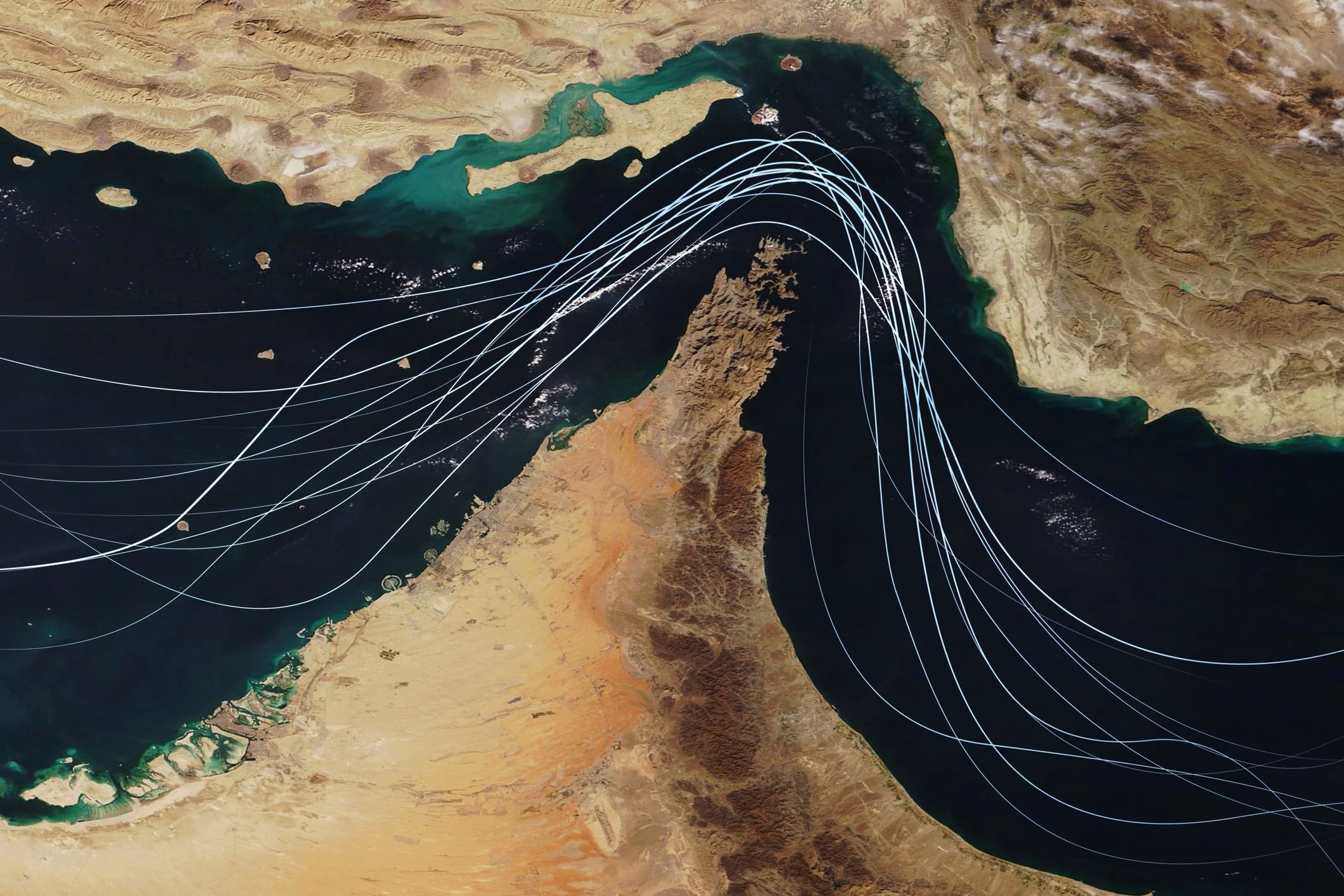
As global energy markets face their most significant disruption in decades, the closure of the Strait of Hormuz has exposed a hard truth: today’s energy infrastructure is fundamentally fragile. When a single chokepoint can disrupt nearly 20% of global oil supply, the consequences ripple across every sector—from fuel and agriculture to manufacturing and global markets.
In his latest piece, Matthew McKean explores why this moment demands more than resilience—it requires antifragility. While traditional systems struggle under volatility, Frontieras has engineered a fundamentally different model: one built on domestic feedstock, structurally lower input costs, and diversified outputs that increase in value during periods of disruption.
With the commercialization of FASForm™ and the development of its first full-scale facility in West Virginia, Frontieras is advancing a new architecture for energy—one designed not just to withstand global shocks, but to benefit from them.
This is not a theoretical framework. It is a deployable platform for American energy security at scale.

The NVIDIA of Energy: Why Frontieras Is Emerging at the Perfect Moment
As artificial intelligence, advanced manufacturing, and digital infrastructure accelerate global energy demand, Frontieras North America is emerging at a pivotal moment. Built on more than a decade of scientific development through Frontier Applied Sciences, Frontieras is now commercializing FASForm™—a breakthrough platform designed to unlock greater value from solid hydrocarbons through a zero-waste, closed-loop process. With macro trends converging around energy security, industrial growth, and next-generation infrastructure, Frontieras is positioned to play a defining role in the future of American energy.
Frontieras North America Announces April 2 Groundbreaking Ceremony for First Commercial FASForm™ Plant in Mason County, West Virginia
Frontieras North America will mark a major milestone in its commercialization journey with a groundbreaking ceremony on April 2, 2026, for its first commercial FASForm™ facility in Mason County, West Virginia. Representing an estimated $850 million industrial investment, the project is expected to create approximately 300 full-time jobs and roughly 2,000 construction jobs, reinforcing Frontieras’ commitment to revitalizing American energy regions through innovation, scale, and zero-waste industrial development.

Frontieras North America Appoints Seasoned Marketing Executive Nora Shepard as Vice President of Communications
Frontieras North America has appointed seasoned marketing executive Nora Shepard as Vice President of Communications as the company moves deeper into commercialization of its first FASForm™ facility in Mason County, West Virginia. Shepard brings extensive experience in growth strategy, corporate messaging, and translating complex technologies into clear market narratives, strengthening Frontieras’ leadership team at a pivotal stage of execution and institutional engagement.

Coal Keeps the Lights On. FASCarbon™ Will Keep the Bytes On.
AI isn’t just a software boom — it’s a power boom. As data centers and compute loads surge, the grid’s limiting factor becomes simple: 24/7 baseload energy at scale. This post makes the case that intermittency can’t carry the AI economy alone — and that coal’s mistake wasn’t its abundance, but how it’s been used. Frontieras’ patented FASForm™ Solid Carbon Fractionation doesn’t burn coal; it disassembles it into higher-value outputs, including refined liquid fuels, hydrogen, industrial chemicals, and FASCarbon™, a purified solid carbon fuel designed for reliable, high-density energy. Coal kept the lights on — FASCarbon™ keeps the bytes on.

The Disney Paradox: Have We Gained Knowledge and Lost Wisdom?
In The Disney Paradox, Matthew McKean examines a core challenge of modern industry: we have more technology, data, and capital than any generation before us, yet we struggle to build critical infrastructure quickly and effectively. Using Disneyland’s rapid construction as a historical contrast, he argues that the issue is not a lack of knowledge—but a lack of wisdom, prioritization, and execution. The piece also explains how Frontieras is applying that mindset to energy infrastructure through disciplined, real-world development.
How Frontieras North America Is Expanding Access to Early-Stage Energy Investment
For decades, early-stage energy infrastructure investing was effectively gated by structure: private capital first, institutions next, and the public only after most of the value creation had already happened. Frontieras flipped that script—built first, validated next, then opened access through modern digital capital platforms. After seven years of self-funded engineering and a globally defensible patent portfolio, the company validated performance at scale and expanded participation through Regulation CF and Regulation A+. Now, with the Mason County, West Virginia flagship site secured and groundbreaking complete, Frontieras is entering a more visible execution phase—inviting qualified investors to review the current offering.

Frontieras North America Launches FASGEN™: A Breakthrough Platform to Preserve, Expand, and Revalue the U.S. Coal Fleet as AI Energy Demand Explodes
Frontieras North America has completed feasibility engineering for FASGEN™, a co-located platform designed to preserve and modernize the U.S. coal fleet as AI-driven electricity demand accelerates. By upgrading coal before combustion through the patented FASForm™ process, FASGEN™ turns existing coal plants into multi-output energy hubs—producing cleaner solid carbon fuel, liquid fuels, hydrogen, and industrial chemicals—while improving emissions performance and plant economics. The result: dispatchable baseload power at scale, using infrastructure that already exists—without subsidies and without rebuilding the grid from scratch.
A Letter to the People of West Virginia and Appalachia
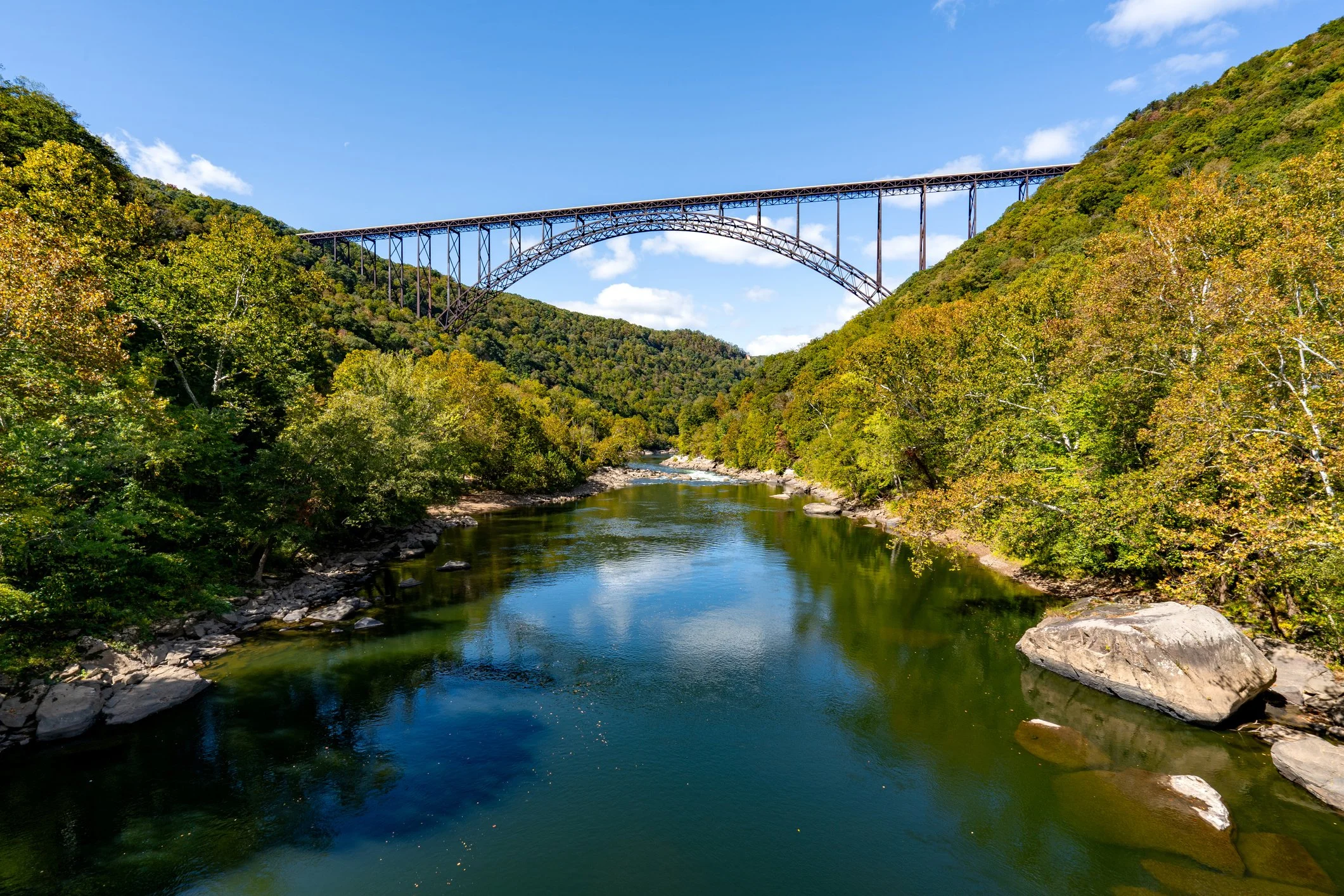
Frontieras North America chose West Virginia for our first commercial-scale facility because this state powered America for generations—and it’s ready to lead again. We took no state incentives and built this project with private capital because we believed coal’s next chapter had to be done seriously, independently, and on our terms. That moment is now.